Detention Pond Restoration & Maintenance Services in Connecticut

New England Stormwater Solutions provides professional detention pond restoration and maintenance services throughout Connecticut, helping municipalities, commercial properties, and industrial sites maintain safe, functional stormwater systems.

Why Detention Pond Maintenance Matters

Proper detention pond maintenance is essential for preventing flooding, preserving storage capacity, and staying compliant with Connecticut stormwater regulations. Over time, sediment buildup and vegetation overgrowth reduce performance and increase risk.

“Maintained stormwater systems protect infrastructure, property, and communities.”

Capacity Restoration Experts

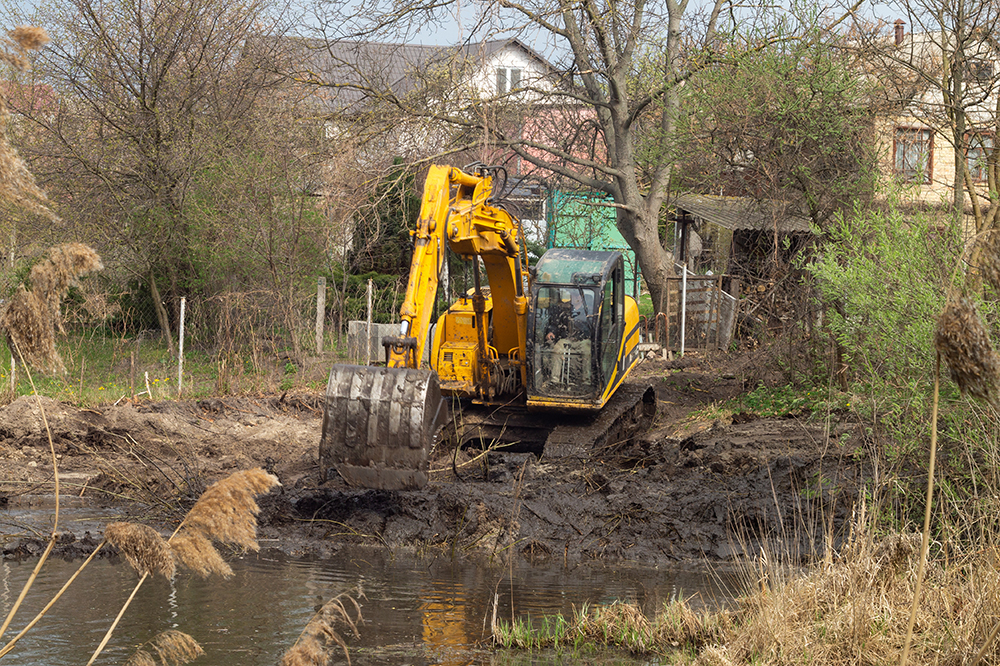
We restore lost storage capacity through sediment removal and dredging, helping detention ponds function as originally designed.

Environmentally Responsible Practices

Our restoration methods prioritize safe sediment handling, controlled removal, and protection of surrounding ecosystems.

Request a Quote

What We Do

We provide comprehensive detention pond restoration and maintenance services for municipalities, commercial properties, and industrial sites across Connecticut.

Sediment Removal & Dredging

We remove accumulated sediment and debris to restore pond capacity and improve stormwater performance.

Vegetation Management & Clearing

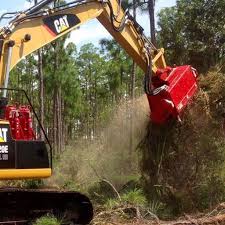
Forestry mulching and controlled clearing restore embankments, improve flow paths, and prevent structural damage.

Structural Inspection & Evaluation

We assess inlets, outlets, embankments, and drainage structures to identify erosion, blockage, or wear.

Compliance Documentation

Detailed service logs and documentation support regulatory compliance and long-term maintenance planning.
Connecticut Detention Pond Maintenance

Signs Your Detention Pond May Need Restoration

Over time, detention ponds lose capacity and performance due to sediment buildup and vegetation overgrowth. Common signs include:

  • Visible sediment buildup or reduced water depth
  • Overgrown vegetation blocking inlets or outlets.
  • Standing water outside designated basin areas
  • Erosion along embankments
  • Clogged outlet structures
  • Frequent post-storm flooding

Detention Pond Systems We Restore

Dry Detention Basins

Dry detention basins are designed to temporarily hold stormwater runoff and release it at a controlled rate. We remove accumulated sediment, restore storage capacity, and ensure outlet structures function as designed.

Wet Retention Ponds

Wet retention ponds maintain a permanent pool of water and provide both stormwater control and pollutant filtration. We address sediment buildup, vegetation overgrowth, and inlet/outlet obstructions to preserve water quality and performance.

Extended Detention Systems

Extended detention systems are engineered to slowly release runoff over an extended period to reduce downstream flooding and erosion. Our restoration services focus on maintaining proper grading, sediment levels, and structural integrity.

Underground Stormwater Systems

Underground detention systems use chambers, pipes, or vaults to manage runoff below the surface. We provide inspection, debris removal, and sediment extraction to maintain flow capacity and prevent costly backups.

Testimonials

See what Clients are Saying About Us

5 star rating
5 star rating
5 star rating
5 star rating
5 star rating
“Our parking lot was flooding and eroding over the bank into a brook, with pressure from the town to remedy the situation, our communities landscaper attempted to stabilize the embankment but was unable to identify the cause.  NESS arrived with specialized equipment and knowledgeable staff to clean the storm sewer, pinpoint a collapsed section of pipe and repair it quickly and affordably.  We now contract with them annually to inspect, evaluate and clean our entire stormwater system and keep us up to date with the new DEEP regulations.”u0022”
Kathy L;  Self-managed condominium board member
5 star rating
5 star rating
5 star rating
5 star rating
5 star rating
“All of our other quotes included digging up and replacing the stormwater conveyance piping that lead from one of the buildings roof gutter system to a storm sewer across the finished lawn which was costly and disruptive, NESS suggested jetting and vacuuming the underground piping to remove almost 40 years of deferred maintenance and in just a few hours had the system cleaned and functioning properly; they ran a camera and also performed a dye test to verify the system was completely clear.  We are currently scheduling an annual cleaning of all of our buildings, Thank you NESS!” 
  Michael; Property Manager
5 star rating
5 star rating
5 star rating
5 star rating
5 star rating
“We just completed a year-long project with NESS building a private road and large detention pond for a four lot subdivision.  A complicated project with difficult topography and specific engineering.  Their in depth knowledge and decades of excavating experience made them a good choice for me as we navigated challenges together.  Good communication, regular explanations kept me comfortable and confident through the duration of the project.  Peace of mind goes a long way in the construction business; NESS will be my first call on all of my upcoming development projects.”
 Mike P, Land-developer 

Frequently Asked Questions About Detention Pond Restoration

We help keep detention and retention ponds functional, compliant, and operating at full capacity. Below are answers to common questions about restoration and maintenance.
Detention pond restoration involves removing accumulated sediment, clearing vegetation, and repairing structural components to restore the pond’s original storage capacity and drainage performance. Over time, runoff deposits soil, debris, and organic material that reduce effectiveness. Restoration ensures the system functions as designed and helps prevent flooding and compliance issues.

The frequency depends on site conditions, runoff volume, and surrounding land use. Many detention ponds require sediment removal every 5–10 years, though high-sediment environments may need more frequent maintenance. Routine inspections help determine when dredging or sediment removal is necessary before capacity loss becomes a serious issue.

Common signs include visible sediment buildup, reduced water depth, standing water in areas that previously drained, clogged outlet structures, erosion along embankments, or increased flooding after storms. A professional inspection can evaluate sediment levels and determine whether restoration is needed.

Yes. Many municipalities and commercial properties are required to maintain stormwater systems in accordance with local and state environmental regulations. Failure to properly maintain detention ponds can result in compliance violations, flooding issues, and potential fines. Regular maintenance and documentation help ensure systems meet Connecticut stormwater management standards.

Detention Pond Maintenance Equipment

We’re Just One Call Away.

Need Detention Pond Restoration in CT?

From sediment removal to full basin restoration, New England Stormwater Solutions helps maintain safe, compliant stormwater systems. Reach out today for a free estimate or to schedule service.